Start with the governing authority
Southampton Town, East Hampton Town, incorporated villages, Suffolk County and New York State can impose different parking and access rules.
Compare South Fork beaches →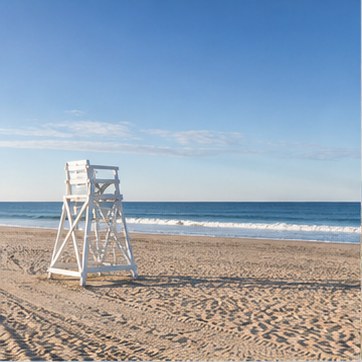
Ocean and bay beaches
Choose access first, then match the shoreline, facilities and swimming conditions to the people in your group.
A practical half or full dayBEFORE YOU BEGIN
Named places, local constraints and realistic sequencing—so a first visit feels informed rather than overplanned.
Southampton Town, East Hampton Town, incorporated villages, Suffolk County and New York State can impose different parking and access rules.
Compare South Fork beaches →Coopers and Main Beach can provide staffed summer facilities; more remote shorelines may have little shade, food or restroom access.
Explore Coopers Beach →Atlantic surf, rip currents and wind require a different plan from calmer bay water. Match the shoreline to swimmer ability and current conditions.
Browse all beaches →A public shoreline does not imply nearby visitor parking. Never rely on an old blog post or another beach’s permit rules.
Open the planning guide →Water, shade, layers, food and a clear exit time prevent the loss of a legitimate parking space and reduce exhausted end-of-day decisions.
Find picnic provisions →THE PLAN
Town, village, county and state beaches can have different permits and rules.
Review the marine forecast, hazards and lifeguard information.
Local restrictions and protected habitat areas take priority over general advice.
Bring water, shade and a simple meal rather than leaving a secured space.
Pack out belongings and make the return trip before fatigue sets in.
GOOD TO KNOW
Never infer parking access from a nearby beach.
Swim only where and when conditions suit your ability.
Accessibility features and beach mats can be seasonal.
THE PRACTICAL LAYER
July and August bring the widest range of openings—and the most traffic. June and September often balance warm weather with a calmer pace. Off-season travel rewards flexibility because hours narrow.
A car offers the broadest access, but parking can be the limiting factor. Rail or coach travelers should choose a walkable base and prearrange rides for beaches, lighthouse visits and rural stops.
Book lodging, ticketed cultural programs and one priority dinner. Confirm seasonal hours directly. Avoid filling every meal and hour before weather and traffic reveal the better plan.
Parking rights and shoreline access are different questions. Confirm the governing town or village, permit rules, lifeguard schedule, facilities and current ocean conditions before leaving.
MAKE IT YOURS
For this route, Southampton offers a natural center of gravity. Choose the room first, then reserve only the meals and experiences that matter most.
Compare curated hotels and inns, filtered for Southampton.
Browse places to stay →Find dining nearby, from casual morning coffee to a proper final-night dinner.
Explore food & drink →Choose a museum, walk, sail or family stop—and keep the rest of the day open.
See things to do →KEEP EXPLORING